26 November 2026
The Route Imported Flowers Take to Your Florist
Presented by @stemjournal65
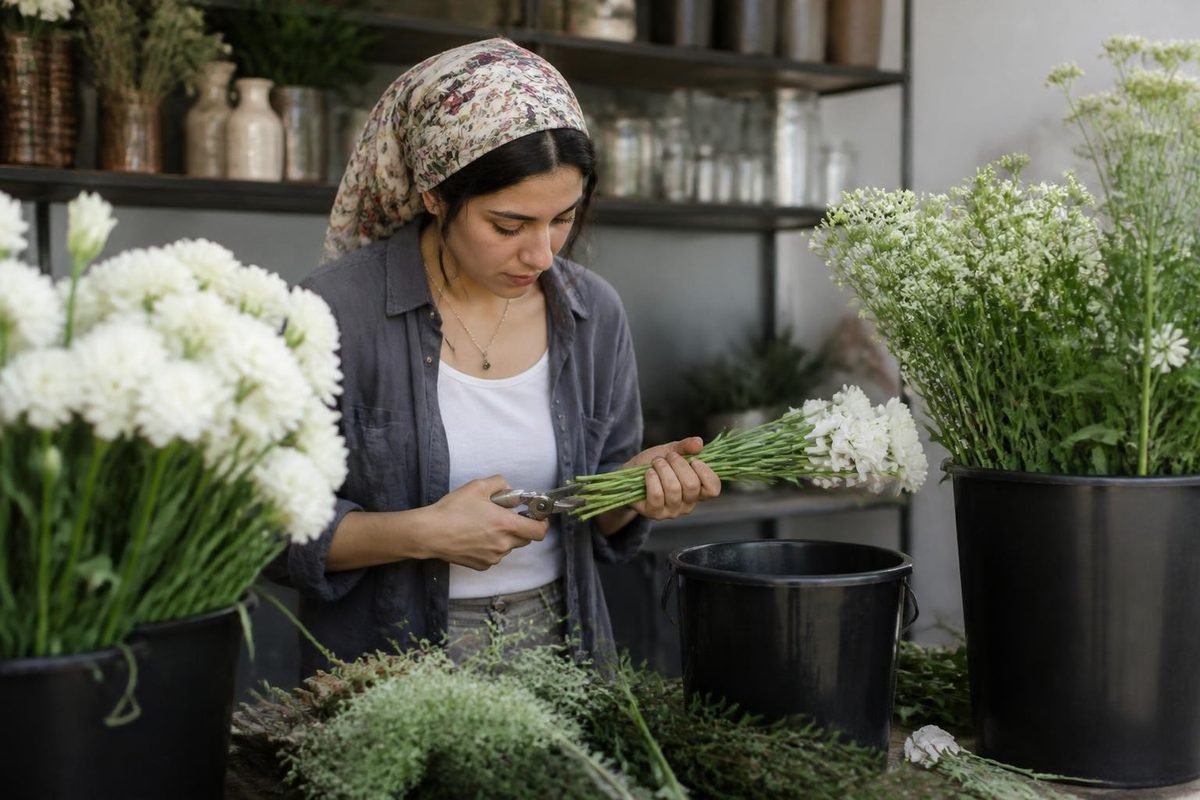
Imported flowers are harvested, packed and moved across borders before a florist receives them. Growers and transport teams work to limit heat, damage and delays, while officials may check shipments for pests and plant diseases.
Harvesting and packing for travel
The process starts on a flower farm. Workers cut stems at a stage that suits both the flower and its planned journey. Some blooms are picked with buds still mostly closed, allowing them to open after they arrive. The best stage depends on the kind of flower: roses and fully open sunflowers, for example, are not handled in exactly the same way for travel.
After harvesting, workers sort the stems by features such as length and appearance. They may take off some leaves, group the stems into bunches, and place them in water or a treatment solution. Packing is arranged to reduce rubbing, bruising and shifting in transit. The method depends on the flower and route: some boxes travel without water, while other shipments use containers designed to hold it.
Cooling is another common step. Many cut flowers are chilled soon after they are picked because cooler conditions can slow ageing and limit water loss. However, flowers do not all need the same temperature. Certain tropical varieties can be harmed by excessive cold, so they require different handling from flowers that tolerate cooler conditions.
Moving through transport and inspections
A shipment may travel by plane, truck or ship. The choice depends on distance, timing and the particular load. Flowers can pass through several locations, such as a farm, a packing site, an airport or port, and a distribution centre. Careful handling matters at each stop. Even a brief period of too much heat can reduce the lifespan of some flowers.
- Farm workers cut, sort and pack the stems for transport.
- The shipment travels by a suitable route, with temperature management chosen for the flowers and journey.
- Officials review paperwork and may examine the flowers for pests or disease.
- A wholesaler or distributor receives the shipment and forwards it to florists.
Import requirements depend on the country and the type of plant. A shipment may need a certificate showing that it meets plant health rules. If an inspection identifies a concern, the flowers might be held up, treated, denied entry or destroyed. What happens depends on the specific problem and the applicable rules.
Handling flowers after arrival
At a wholesaler or florist, staff may open the boxes, recut the stems and place them in clean water. Flowers that travelled dry can then begin drawing up water again. Staff may also remove leaves or petals that have been damaged and arrange stems into groups for sale.
The florist stores the flowers and prepares them for arrangements. Their condition is shaped by several stages, not just the plane or truck ride. The timing of harvest, the way the stems were packed, the temperatures they experienced and the care they received after delivery can all affect what you see in a bouquet.
For care advice, ask your florist about the specific stems you are taking home, since handling needs vary. For many cut flowers, useful first steps are to make a fresh cut, use clean water and choose a place away from heat. These basics can help, but a suitable spot and care routine may differ from one flower to another.
Next step: https://promociones-woo.com/como-enviar-flores-a-un-ser-querido-en-europa-cuando-estas/